
Get Engineered Siding Installation
Engineered siding installation services help property owners upgrade or replace exterior siding to improve durability, appearance, and protection for residential or commercial buildings.
Engineered siding installation is a practical choice for property owners looking to enhance the durability and appearance of their buildings. Whether planning a renovation or new construction project, understanding your options and comparing local contractors can help ensure the work aligns with your property's needs. This service is often sought after for its ability to provide long-lasting protection against the elements while improving curb appeal.
Exploring engineered siding installation involves evaluating different styles, materials, and local service providers to find the best fit for your property. Property owners in the area may consider this work to boost energy efficiency, reduce maintenance requirements, or simply update their exterior look. Continuing to browse can help identify reputable local contractors equipped to handle your siding project with expertise.
- New home construction - homeowners building a new residence may need engineered siding installation to ensure durability and aesthetic appeal.
- Home renovation projects - upgrading or remodeling a property often involves replacing existing siding with engineered options for improved performance.
- Damage repair - properties affected by weather or accidents can benefit from professional siding replacement to restore protection and appearance.
- Exterior modernization - property owners seeking to update their building’s exterior may look for engineered siding installation services.
- Property maintenance - ongoing upkeep or preventative measures might require the expertise of local contractors for siding installation or replacement.
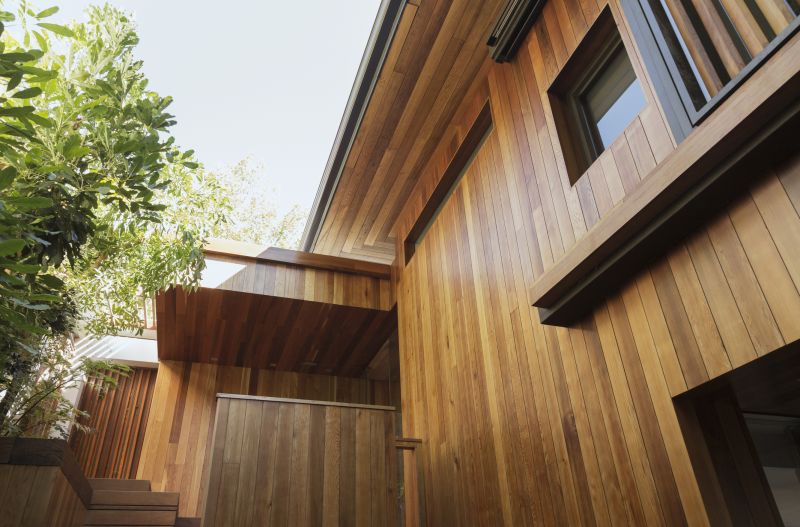
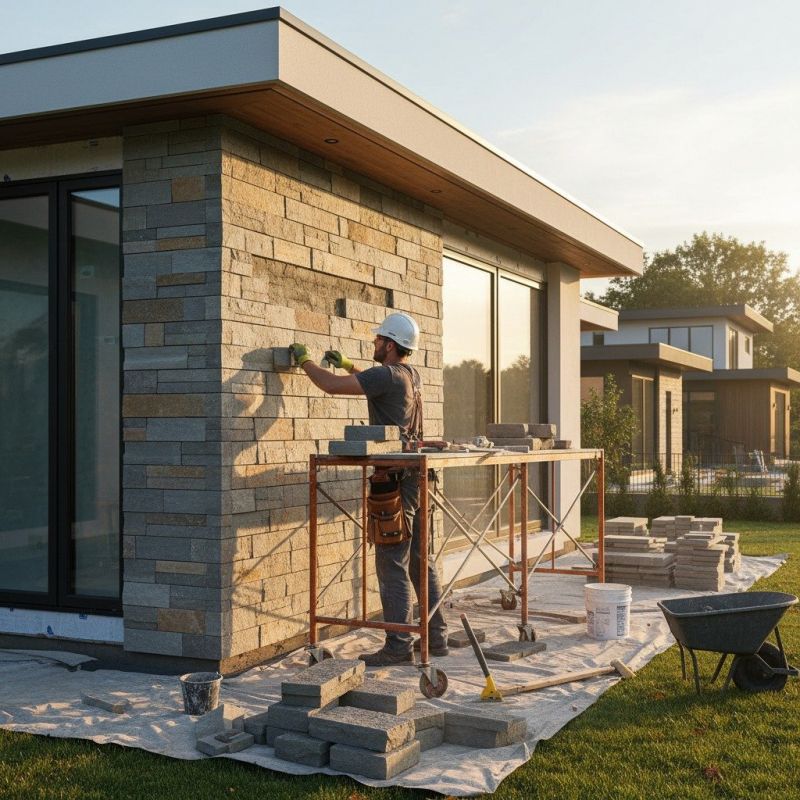
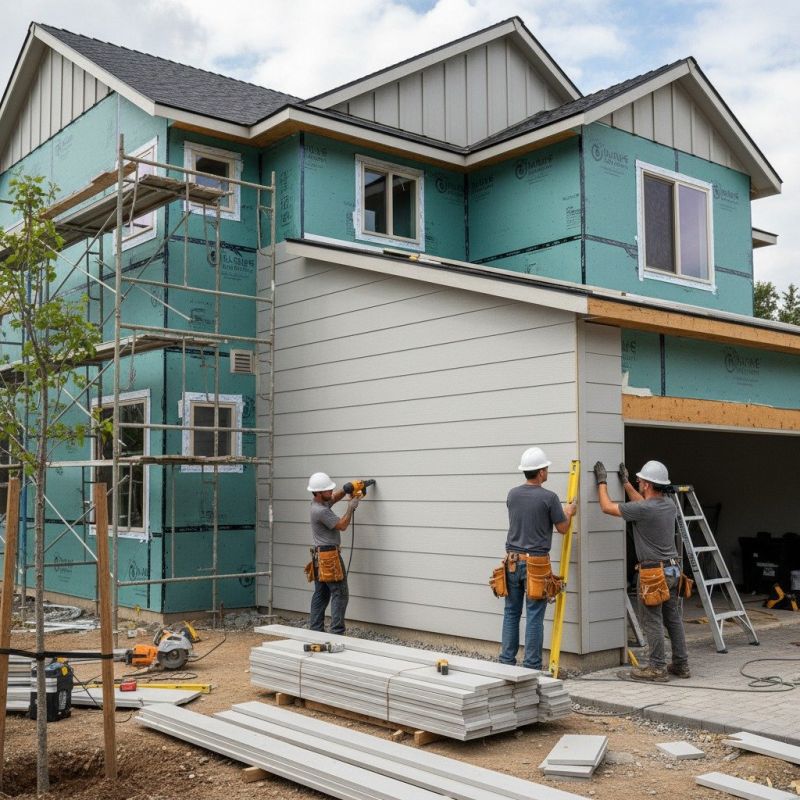
Engineered siding installation involves attaching specially designed siding materials to the exterior walls of a property to enhance durability, appearance, and protection. This service typically includes preparing the existing surface, measuring and cutting the siding to fit, and securely fastening it to ensure a seamless, weather-resistant barrier. Skilled contractors focus on precise installation techniques to prevent issues like warping, cracking, or water infiltration, which can compromise the integrity of a building over time. Properly installed engineered siding not only improves curb appeal but also helps extend the lifespan of the property's exterior.
This service helps address common problems such as rotting wood, warping, or damage caused by moisture and pests. Over time, traditional siding materials may deteriorate, leading to leaks, drafts, and increased energy costs. Engineered siding offers a resilient alternative that resists these issues, providing a long-lasting solution for maintaining the structural integrity of a property. Professionals can also help with removing old or damaged siding, preparing the surface for new installation, and ensuring a tight, weatherproof fit that reduces the risk of future repairs.
Engineered siding installation is suitable for a variety of property types, including single-family homes, multi-unit residential buildings, and commercial structures. It is often chosen for properties in areas prone to harsh weather conditions or where existing siding has become outdated or damaged. Homeowners seeking to improve energy efficiency, boost curb appeal, or protect their investment may find this service particularly beneficial. Local contractors can assess the specific needs of each property and recommend the best siding options to meet those requirements effectively.
Homeowners considering a siding upgrade or replacement should look into engineered siding installation when their current exterior shows signs of wear, moisture damage, or pest infestation. It is also a practical choice for those wanting to enhance the appearance of their property with a modern, durable exterior surface. By connecting with experienced local service providers, property owners can ensure the installation is handled professionally, resulting in a resilient and attractive exterior that stands up to the elements and maintains its value over time.
The overview below groups typical Engineered Siding Installation projects into broad ranges so you can see how smaller, mid-sized, and larger jobs often compare in your area.
In many markets, a large share of routine jobs stays in the lower and middle ranges, while only a smaller percentage of projects moves into the highest bands when the work is more complex or site conditions are harder than average.
Smaller Repairs - Typical costs for minor siding repairs usually range from $250 to $600, covering patching, sealing, or replacing small sections. Many routine jobs fall within this middle range, with fewer projects reaching the higher end.
Partial Siding Replacement - Replacing sections of siding generally costs between $1,000 and $3,000, depending on the size of the area and siding material used. Larger, more complex partial replacements can push beyond this range.
Full Siding Replacement - Complete siding installations typically range from $5,000 to $15,000 for average-sized homes, with costs varying based on material choices and home size. Larger or more intricate projects can exceed $20,000.
Material and Design Variations - The choice of siding material and design can influence costs significantly, with basic options starting around $3 per square foot and premium materials reaching $10 or more. Local contractors can provide estimates tailored to specific preferences and project scope.
Actual totals will depend on details like access to the work area, the scope of the project, and the materials selected, so use these as general starting points rather than exact figures.
Vinyl Siding Replacement - this project involves similar planning, material selection, and installation techniques as engineered siding, requiring skilled craftsmanship from local contractors.
Exterior Cladding Installation - installing various types of exterior cladding shares tools, surface preparation, and weatherproofing skills with engineered siding installation.
Home Siding Repair - repairing damaged siding involves assessment, material matching, and precise installation, paralleling the skills used in new engineered siding projects.
Fiber Cement Siding Installation - this type of siding installation requires understanding of durable materials and detailed surface preparation, similar to engineered siding work.
Storm Damage Restoration - restoring exteriors after storm damage involves siding repair or replacement, requiring similar planning and installation expertise from local service providers.
Exterior Wall Insulation - adding insulation to exterior walls often accompanies siding projects, involving surface prep and installation techniques akin to engineered siding services.
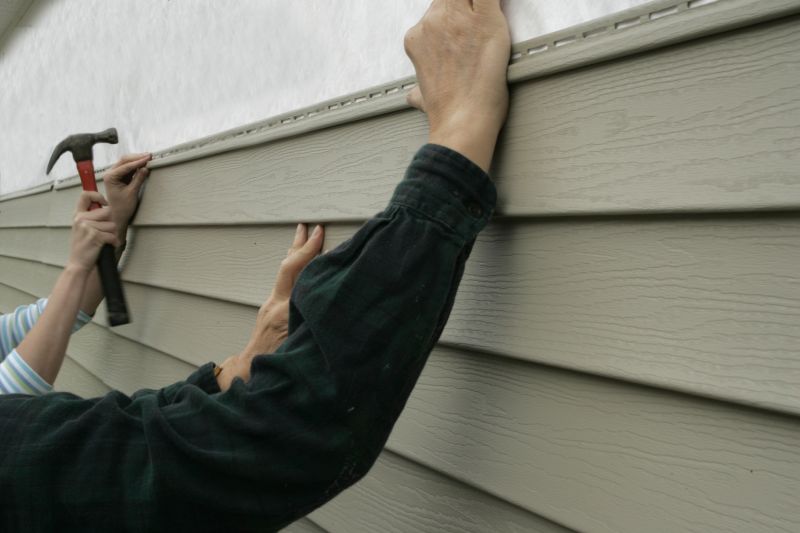
When evaluating potential service providers for engineered siding installation, it’s important to consider their experience with similar projects. Homeowners should inquire about how many installations they’ve completed that resemble their own in scope and style. A contractor’s familiarity with the specific type of siding and the challenges associated with different home designs can impact the quality and durability of the work. Looking into the backgrounds of local contractors and understanding their track record with projects like yours can help ensure that the installation will meet expectations and withstand the elements over time.
Clear, written expectations are essential for a smooth project. Homeowners should seek detailed proposals that outline the scope of work, materials to be used, and the responsibilities of each party. Having this information in writing helps prevent misunderstandings and provides a reference point throughout the project. Effective communication from the outset sets the stage for a positive working relationship, allowing homeowners to ask questions, clarify details, and ensure that everyone is aligned on the project’s goals and deliverables.
Reputable references and good communication are key indicators of a trustworthy local contractor. Homeowners can ask for references from past clients who had similar siding projects completed, providing insights into the contractor’s reliability, workmanship, and professionalism. Additionally, responsive and clear communication during the inquiry process can reveal how well a service provider understands client needs and how effectively they manage ongoing updates and questions. While the site introduces homeowners to local options, it’s important to verify that each prospective contractor demonstrates experience, transparency, and a commitment to clear communication before making a selection.
Property owners use Engineered Siding Installation services for practical projects around their homes and businesses. This guide focuses on everyday jobs and straightforward project options.
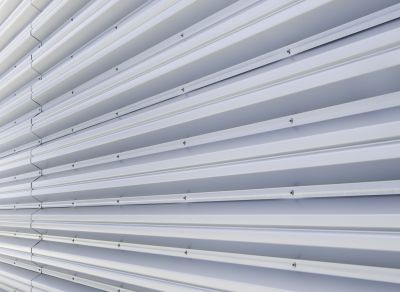
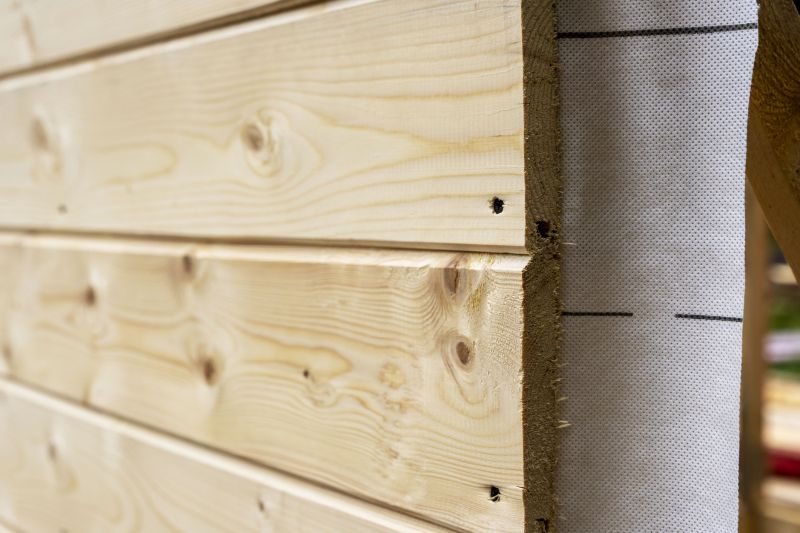
Engineered siding installation is a common project for property owners looking to enhance the appearance and durability of their homes or commercial buildings. Local contractors are often called upon to replace worn or damaged siding, improve insulation, or update the exterior for a fresh look. Whether dealing with weather-related wear, aging materials, or simply wanting a style upgrade, property owners frequently seek reliable service providers to handle these updates efficiently and effectively.
Many property owners also pursue engineered siding installation when preparing a property for sale or addressing issues like drafts and moisture intrusion. Local service providers can assist with selecting the right siding options that match the property's needs and aesthetic preferences. This type of work is often part of broader exterior renovation projects, making it a common choice for those aiming to improve curb appeal and protect their investments.
What types of engineered siding do local contractors install? Local contractors typically install a variety of engineered siding options, including fiber cement, engineered wood, and vinyl-based products, to suit different aesthetic and durability preferences.
How is engineered siding installed on a building? The installation process involves preparing the existing surface, attaching the siding panels securely, and ensuring proper sealing and flashing to protect against moisture and weather elements.
Can engineered siding be used on different types of buildings? Yes, engineered siding is versatile and can be installed on a range of structures, including residential homes, commercial buildings, and renovations.
What maintenance is required for engineered siding after installation? Engineered siding generally requires minimal maintenance, such as cleaning with a hose or gentle wash, and periodic inspections to check for damage or wear.
Why should I choose local contractors for engineered siding installation? Local contractors have experience with regional building codes and weather conditions, ensuring proper installation and long-lasting results for your siding project.
Enhance curb appeal - Engineered siding installation can improve the appearance of a home, making it more attractive to visitors and potential buyers.
Improve insulation - Upgrading to new siding can help maintain interior temperatures, reducing energy costs and increasing comfort.
Protect against weather - Properly installed engineered siding shields the exterior walls from moisture, wind, and other elements.
Update exterior style - Choosing different siding styles or colors allows property owners to refresh the look of their home or building.
If you are thinking about Engineered Siding Installation for a property, this guide is meant to help you understand the work, the typical project types, and how different options might fit your plans.
When you are ready, you can use the quote form on this page to share a few details about your project. From there, local pros can review the basics and respond with options that match what you have in mind.